

 India Authentic Tours
Planning a trip to India? Here’s everything you need to know about visa requirements, passport regulations, and travel tips for a smooth journey.
India attracts millions of tourists every year for its rich culture, historic landmarks, spiritual retreats, and natural beauty. Before embarking on your journey, understanding the visa and passport requirements is crucial. This guide provides detailed information for international visitors, including types of visas, application procedures, eligibility, and tips to ensure a hassle-free travel experience.
All international travelers to India must hold a valid passport with at least six months’ validity from the date of arrival. Ensure your passport has blank pages for stamping. Children traveling with parents must also carry individual passports, as Indian authorities do not allow minors to be included on a parent’s passport for entry purposes.
India offers several visa types depending on travel purpose:
The India eVisa is the fastest way to get entry clearance. Travelers can apply online, upload documents, and pay fees electronically. The eVisa typically allows entry for 30, 60, or 90 days depending on the type. Upon approval, print the eVisa and present it at the airport immigration desk. Ensure your passport and travel dates align with the visa validity.
Traditional visa applications require filling out forms at the Indian consulate or embassy, submitting passport copies, photographs, and supporting documents. Processing times can range from 3 to 10 business days. Make sure to double-check all documents and provide accurate travel details to avoid delays or rejection.
Visa fees vary by nationality and visa type. eVisa fees are typically paid online in USD or other accepted currencies. Tourist visa fees range from $10 to $100 depending on the duration and single/multiple entry. Check the official government website or Indian embassy for exact fees applicable to your country.
Travelers on an eVisa are allowed entry through specific international airports and seaports in India. Overstaying a visa may result in fines or deportation. Students and business travelers should carry supporting documents for their visa type. Always respect local laws and cultural practices during your stay.
Understanding visa and passport requirements is essential for a hassle-free India trip. By following the correct procedures, applying for the appropriate visa type, and keeping all documents ready, tourists can enjoy India’s rich culture, festivals, heritage sites, and natural wonders without any entry complications. Always plan ahead, check government resources for updates, and travel prepared.
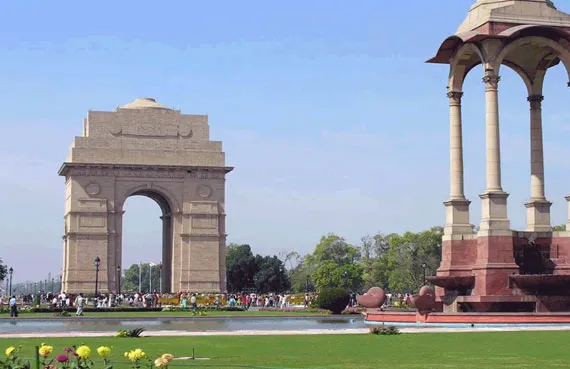 Golden Triangle India Tour Itinerary
Complete Golden Triangle Travel Guide
Golden Triangle India Tour Itinerary
Complete Golden Triangle Travel Guide
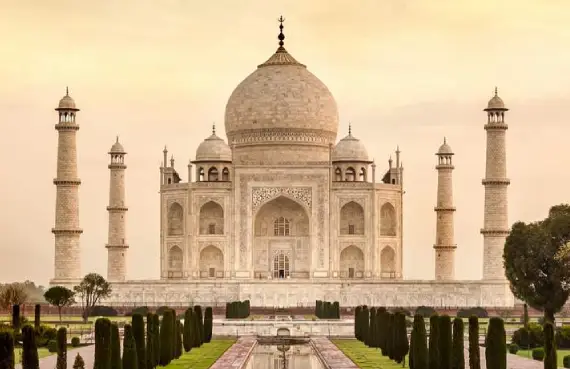 Golden Triangle 3 Days Itinerary
Golden Triangle 5 Days Itinerary
Golden Triangle 7 Days Itinerary
Golden Triangle 3 Days Itinerary
Golden Triangle 5 Days Itinerary
Golden Triangle 7 Days Itinerary
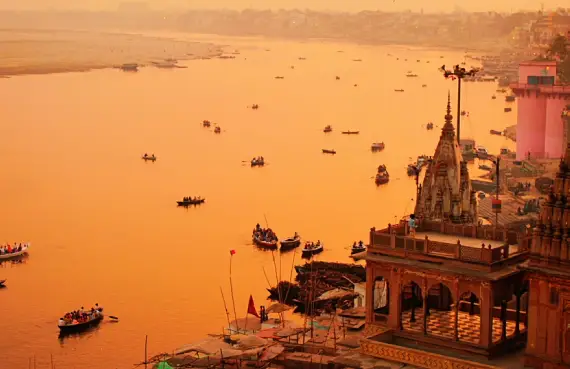 Golden Triangle with Varanasi
 Golden Triangle with Udaipur
 Luxury Golden Triangle Tour
Best Time for Golden Triangle Tour
Golden Triangle Travel Tips
Best Places to Visit in Rajasthan
Best Things to Do in Rajasthan
Rajasthan Tour Packages Guide
Luxury Golden Triangle Tour
Best Time for Golden Triangle Tour
Golden Triangle Travel Tips
Best Places to Visit in Rajasthan
Best Things to Do in Rajasthan
Rajasthan Tour Packages Guide
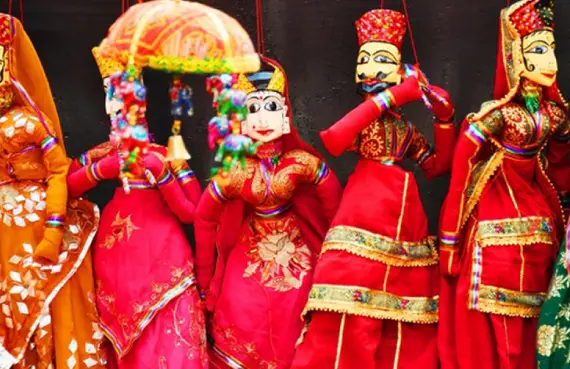 Rajasthani Culture Guide
 Rajasthani Festivals Guide
Holi in Rajasthan
Rajasthani Festivals Guide
Holi in Rajasthan
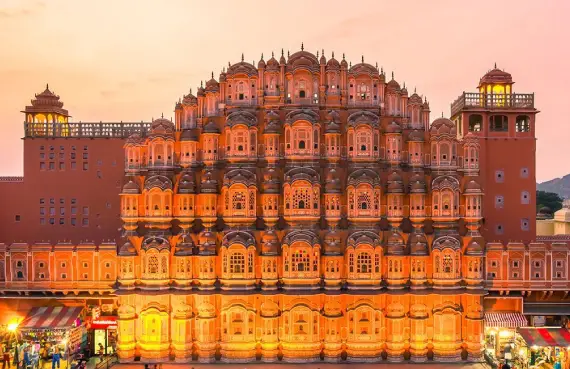 Jaipur Travel Guide
 Udaipur Travel Guide
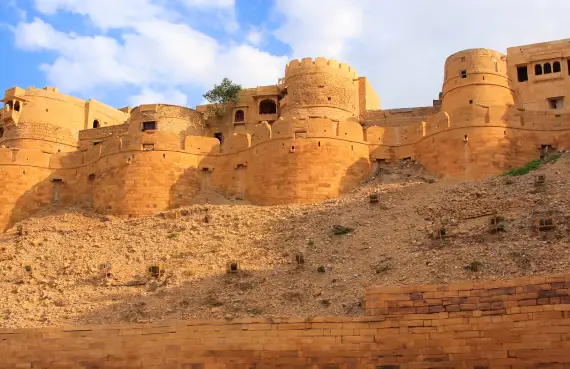 Jaisalmer Travel Guide
Jodhpur Travel Guide
Mount Abu Travel Guide
Ranthambore Safari Guide
Pushkar Travel Guide
Bikaner Travel Guide
Best Time to Visit India
Best Tourist Places in India
Best Travel Destinations in India
India Visa & Passport Guide
Jaisalmer Travel Guide
Jodhpur Travel Guide
Mount Abu Travel Guide
Ranthambore Safari Guide
Pushkar Travel Guide
Bikaner Travel Guide
Best Time to Visit India
Best Tourist Places in India
Best Travel Destinations in India
India Visa & Passport Guide
 Car Rental Services in India
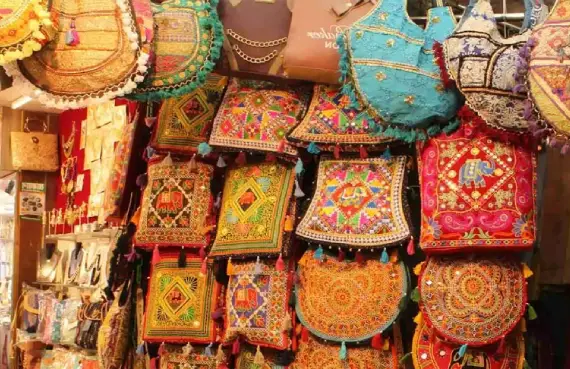 India Travel Budget Guide
Backpacking in India Guide
Family Travel in India
Luxury India Tours Guide
Shopping Guide in India
Best Honeymoon Destinations India
Train Travel in India
Airport Transfers in India
India Travel Budget Guide
Backpacking in India Guide
Family Travel in India
Luxury India Tours Guide
Shopping Guide in India
Best Honeymoon Destinations India
Train Travel in India
Airport Transfers in India