

 India Authentic Tours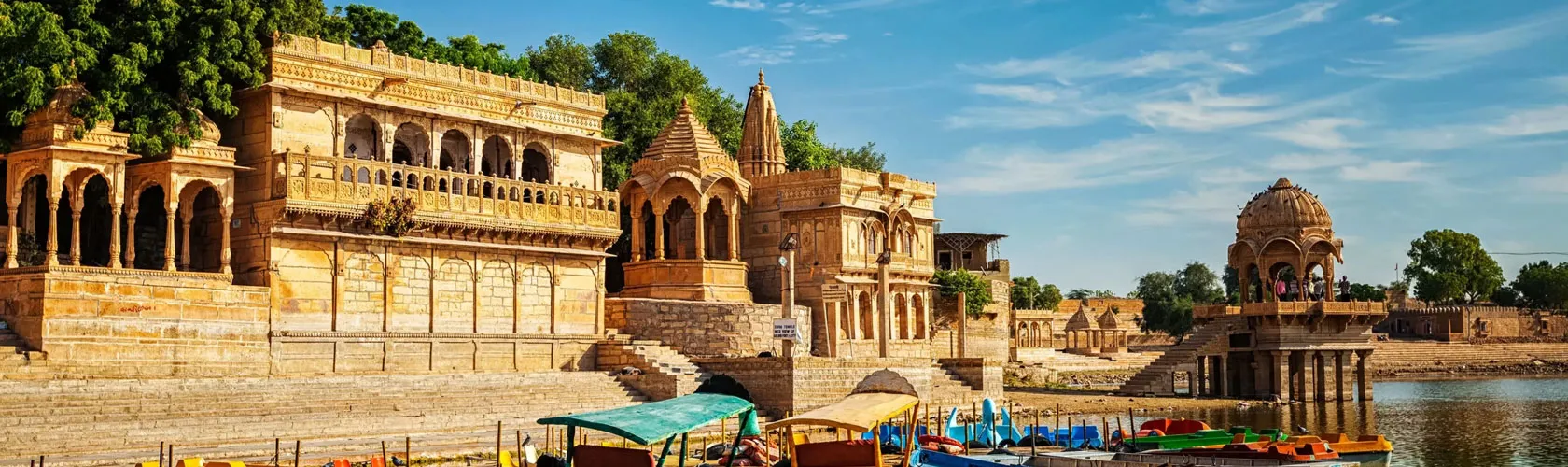
A complete seasonal and regional guide to help travelers choose the ideal time to explore India’s diverse landscapes, cities, and cultural experiences.
India is a country of contrasts with diverse climates, landscapes, and cultures. From the snowy Himalayas in the north to the tropical beaches in the south, selecting the right time to visit is essential for an enjoyable travel experience. Weather patterns in India are largely influenced by the monsoon, summer, and winter seasons, which affect different regions uniquely. This guide will help you plan your visit by highlighting the best seasons, festivals, and regional considerations.
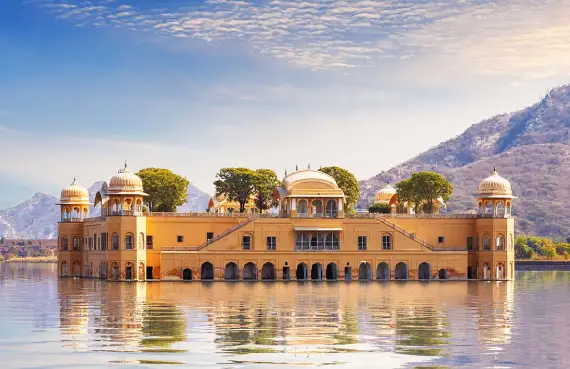
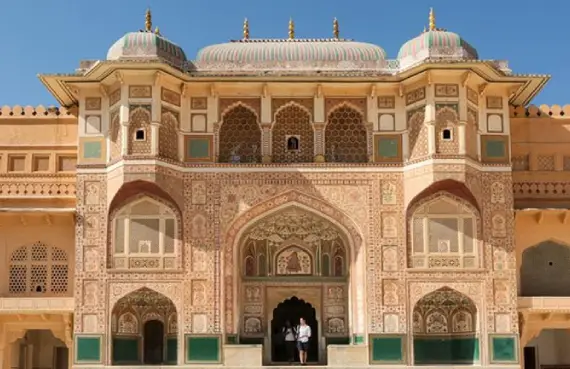
Winter is the most popular travel season in India. Northern states like Delhi, Rajasthan, and Agra experience cool and pleasant weather, making it perfect for sightseeing and heritage tours. Jaipur, Udaipur, and Jaisalmer showcase their royal architecture and desert landscapes comfortably during this period. South India, including Kerala and Tamil Nadu, remains warm and sunny, ideal for beach holidays and backwater cruises.
Summer in India can be hot, especially in central and northern regions. Cities like Delhi, Jaipur, and Agra can reach temperatures above 40°C (104°F). However, hill stations such as Shimla, Manali, Darjeeling, and Ooty offer cool retreats. Coastal areas remain warm but comfortable, and it is a good time for off-season travel with fewer tourists.
The monsoon brings heavy rainfall, particularly in Western Ghats, Kerala, and northeastern India. The lush greenery during this season is spectacular, but travel can be challenging in areas prone to flooding. Hill stations and Rajasthan see moderate rainfall, making it a less crowded but still enjoyable season for experienced travelers.
Timing your trip with India’s vibrant festivals can enrich your experience. Diwali (October–November), Holi (March), and Durga Puja (September–October) showcase the cultural vibrancy of India. Rajasthan’s Pushkar Camel Fair in November, Jaipur Literature Festival in January, and Kerala’s Onam Festival in August–September are major events to plan around.
When planning your India tour, combine the best seasonal options with your preferred destinations. Northern India is best visited in winter, while hill stations are great during summer. Southern beaches remain pleasant in winter, and cultural tours can be planned around major festivals. Ensure local transport, accommodations, and entry tickets are booked in advance, especially during peak travel seasons.
Understanding India’s climate and seasonal patterns is key to having a memorable trip. By planning according to the best time to visit each region, you can enjoy the country’s rich heritage, natural beauty, and cultural experiences without discomfort. Whether you’re exploring the deserts of Rajasthan, the spiritual ghats of Varanasi, or the tropical beaches of Kerala, India offers a magical experience year-round for travelers who plan smartly.
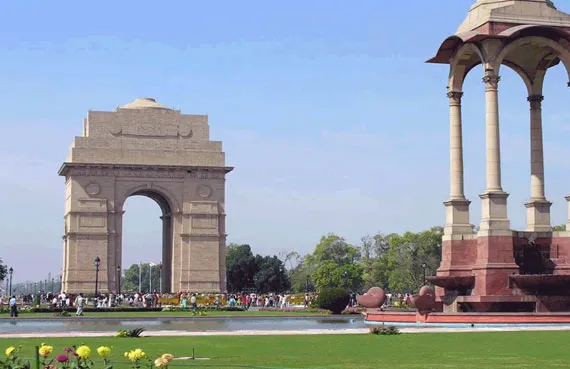 Golden Triangle India Tour Itinerary
Complete Golden Triangle Travel Guide
Golden Triangle India Tour Itinerary
Complete Golden Triangle Travel Guide
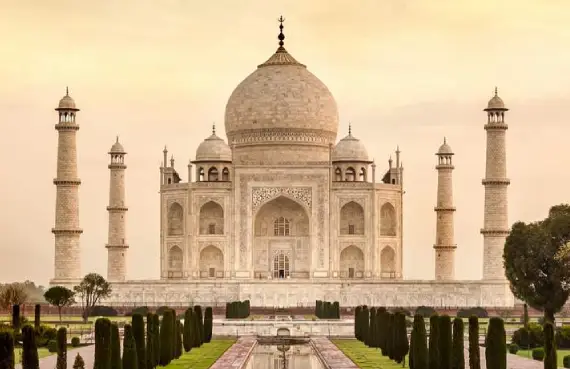 Golden Triangle 3 Days Itinerary
Golden Triangle 5 Days Itinerary
Golden Triangle 7 Days Itinerary
Golden Triangle 3 Days Itinerary
Golden Triangle 5 Days Itinerary
Golden Triangle 7 Days Itinerary
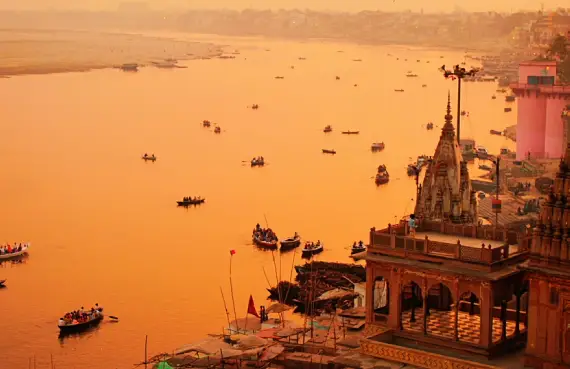 Golden Triangle with Varanasi
 Golden Triangle with Udaipur
 Luxury Golden Triangle Tour
Best Time for Golden Triangle Tour
Golden Triangle Travel Tips
Best Places to Visit in Rajasthan
Best Things to Do in Rajasthan
Rajasthan Tour Packages Guide
Luxury Golden Triangle Tour
Best Time for Golden Triangle Tour
Golden Triangle Travel Tips
Best Places to Visit in Rajasthan
Best Things to Do in Rajasthan
Rajasthan Tour Packages Guide
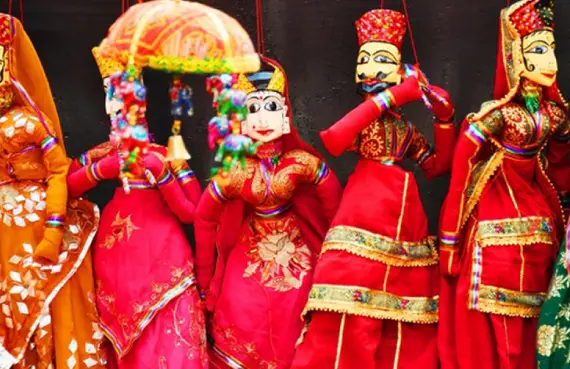 Rajasthani Culture Guide
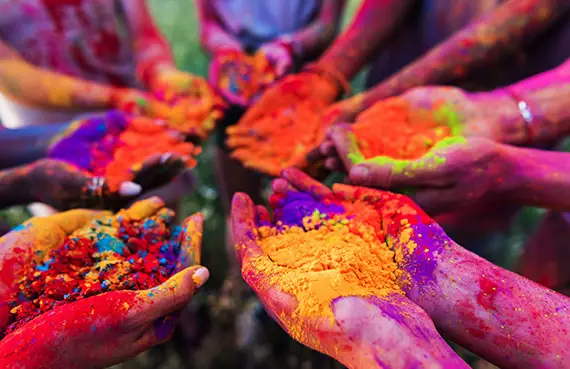 Rajasthani Festivals Guide
Holi in Rajasthan
Rajasthani Festivals Guide
Holi in Rajasthan
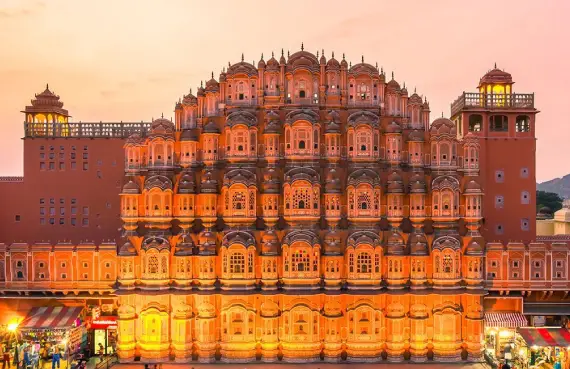 Jaipur Travel Guide
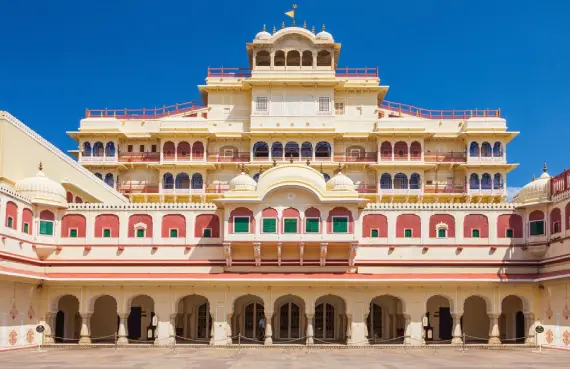 Udaipur Travel Guide
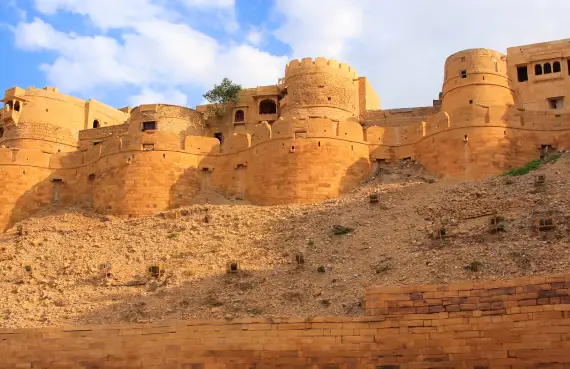 Jaisalmer Travel Guide
Jodhpur Travel Guide
Mount Abu Travel Guide
Ranthambore Safari Guide
Pushkar Travel Guide
Bikaner Travel Guide
Best Time to Visit India
Best Tourist Places in India
Best Travel Destinations in India
India Visa & Passport Guide
Jaisalmer Travel Guide
Jodhpur Travel Guide
Mount Abu Travel Guide
Ranthambore Safari Guide
Pushkar Travel Guide
Bikaner Travel Guide
Best Time to Visit India
Best Tourist Places in India
Best Travel Destinations in India
India Visa & Passport Guide
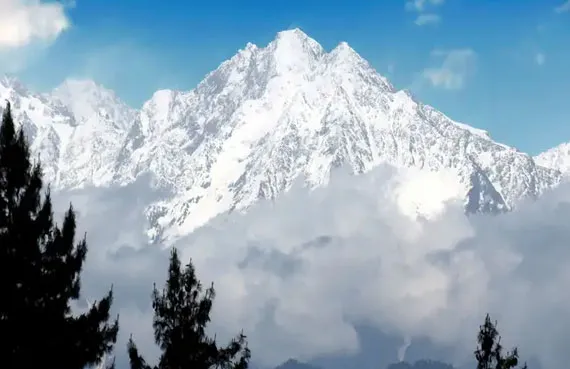 Car Rental Services in India
 India Travel Budget Guide
Backpacking in India Guide
Family Travel in India
Luxury India Tours Guide
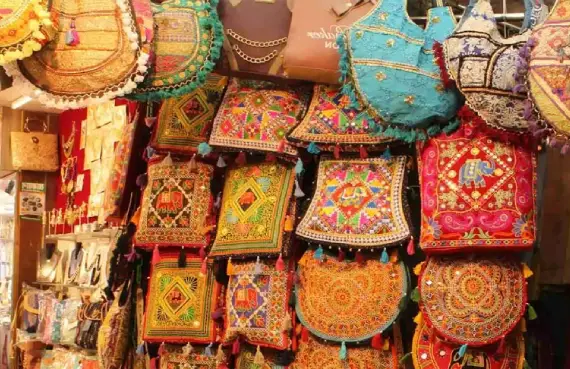
Shopping Guide in India
Best Honeymoon Destinations India
Train Travel in India
Airport Transfers in India
India Travel Budget Guide
Backpacking in India Guide
Family Travel in India
Luxury India Tours Guide
Shopping Guide in India
Best Honeymoon Destinations India
Train Travel in India
Airport Transfers in India