

 India Authentic Tours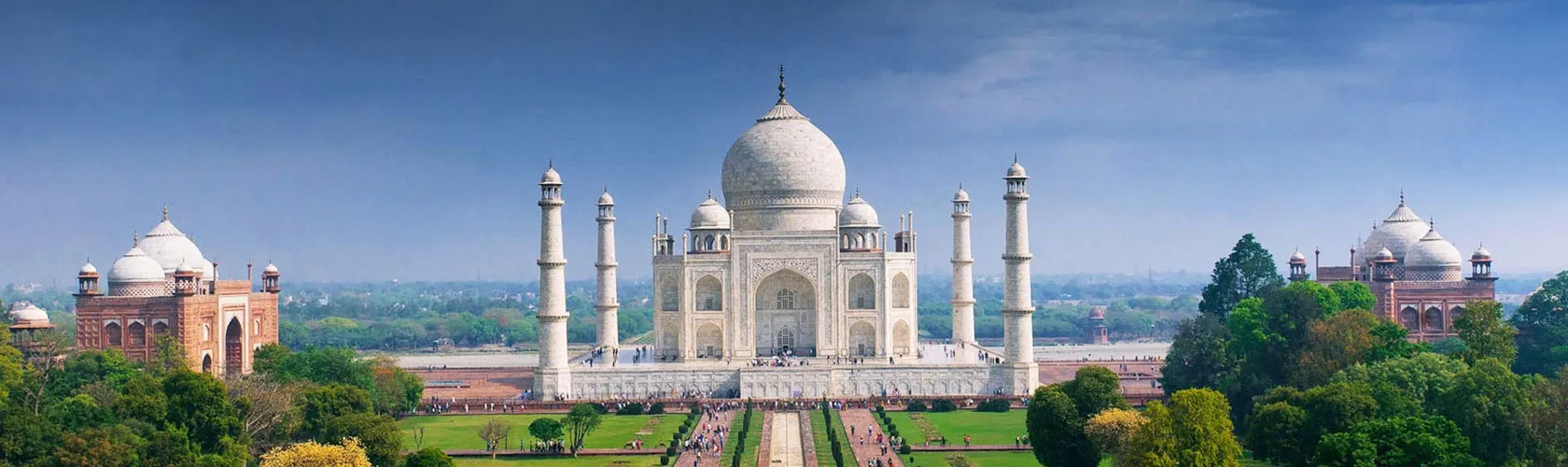
Maximize your Golden Triangle experience with these essential travel tips, covering transportation, cultural etiquette, sightseeing hacks, safety, and accommodation advice for Delhi, Agra, and Jaipur.
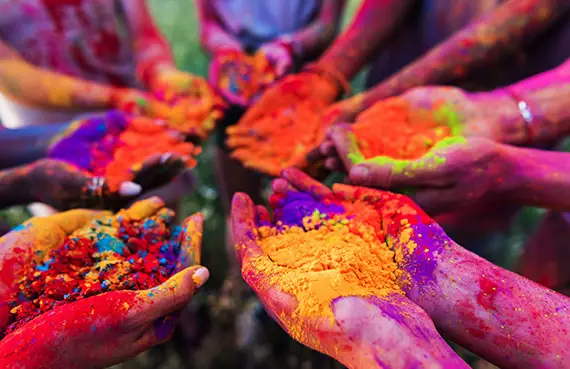
The Golden Triangle is best visited between October and March, when the weather is cooler and more comfortable for sightseeing. Summers (April-June) can be extremely hot, especially in Jaipur and Agra, while the monsoon (July-September) brings occasional rain that may affect outdoor plans. Planning your itinerary around festivals such as Diwali or Holi can offer a culturally immersive experience, but book hotels well in advance.
Choose hotels based on your preferred experience. Luxury travelers may opt for heritage hotels or 5-star accommodations like The Oberoi, Jaipur or The Taj Mahal Hotel, Delhi. Mid-range travelers can stay at well-rated boutique hotels that offer comfort and local charm. Budget travelers should prioritize safety, hygiene, and proximity to tourist sites. Early bookings are highly recommended, especially during peak season.
Private cars or taxis offer convenience and flexibility when traveling between Delhi, Agra, and Jaipur. Trains such as the Shatabdi Express provide faster travel with a comfortable experience. For intercity travel, consider hiring a chauffeur-driven car to explore the region at your own pace. Within cities, use metro services in Delhi or rickshaws in Jaipur for short distances.
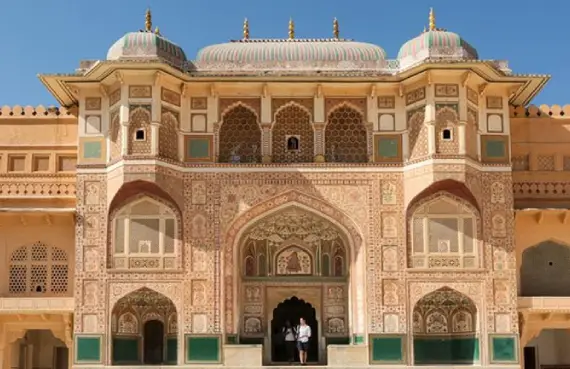
Start early to avoid crowds at popular attractions like the Taj Mahal or Amber Fort. Hire licensed guides for historical insights and cultural context. Photography is permitted at most sites, but drones usually require special permits. Prioritize UNESCO World Heritage sites and plan at least one full day per city to immerse yourself fully in the local history and culture.
North India offers diverse culinary experiences. Try local dishes like Rajasthani thali in Jaipur, petha in Agra, and street food delicacies in Delhi. Drink only bottled or filtered water and avoid ice from unverified sources. Fine-dining restaurants are plentiful in major cities, while local eateries offer authentic tastes at lower costs. Street food can be enjoyed safely if you choose busy stalls with high turnover.
Dress modestly, especially when visiting religious sites. Remove footwear before entering temples and mosques. Always ask before taking photographs of locals. Greetings with "Namaste" are appreciated. Respect local customs and traditions, particularly during festivals and ceremonial events. Tipping is customary but not mandatory, usually around 5-10% in restaurants.
Avoid traveling alone at night in unfamiliar areas. Keep your valuables secure and carry copies of important documents. Use registered taxis or ride-hailing apps like Ola and Uber for city transport. Stay hydrated, especially in summer, and be cautious about street food hygiene. Carry basic first-aid and any personal medication.
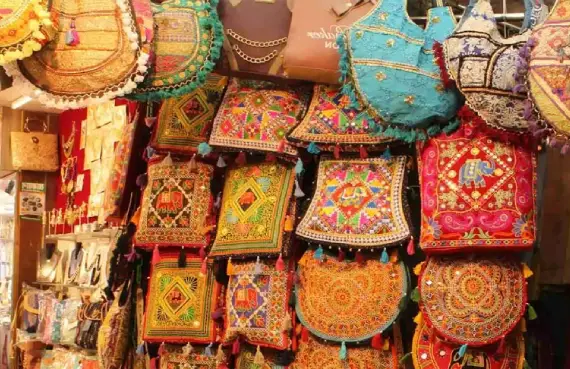
Jaipur is famous for gemstones, textiles, and handicrafts; Agra for marble souvenirs and leather goods; Delhi for handicrafts and street markets. Bargaining is expected in local markets. Ensure authenticity when purchasing jewelry or artworks. Plan shopping excursions in the late afternoon to combine sightseeing and buying souvenirs efficiently.
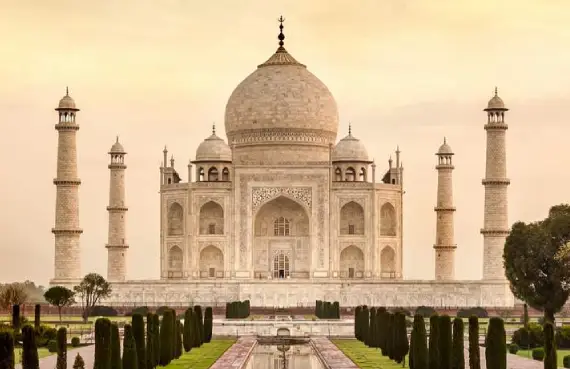
The Golden Triangle offers incredible photography opportunities. Sunrise at the Taj Mahal, sunset at Amber Fort, and cityscape views from Jaipur’s Nahargarh Fort are iconic. Use wide-angle lenses for architectural shots. Respect signage prohibiting photography in certain areas. Consider professional photographers for private sessions, especially in luxury tours.
A well-planned Golden Triangle trip can be seamless and memorable if you follow these essential travel tips. From choosing the best time to visit and staying in comfortable accommodations to respecting cultural norms and exploring historic monuments efficiently, these tips ensure you enjoy the rich tapestry of North India while traveling smartly and safely.
 Golden Triangle India Tour Itinerary
Complete Golden Triangle Travel Guide
Golden Triangle India Tour Itinerary
Complete Golden Triangle Travel Guide
 Golden Triangle 3 Days Itinerary
Golden Triangle 5 Days Itinerary
Golden Triangle 7 Days Itinerary
Golden Triangle 3 Days Itinerary
Golden Triangle 5 Days Itinerary
Golden Triangle 7 Days Itinerary
 Golden Triangle with Varanasi
 Golden Triangle with Udaipur
 Luxury Golden Triangle Tour
Best Time for Golden Triangle Tour
Golden Triangle Travel Tips
Best Places to Visit in Rajasthan
Best Things to Do in Rajasthan
Rajasthan Tour Packages Guide
Luxury Golden Triangle Tour
Best Time for Golden Triangle Tour
Golden Triangle Travel Tips
Best Places to Visit in Rajasthan
Best Things to Do in Rajasthan
Rajasthan Tour Packages Guide
 Rajasthani Culture Guide
 Rajasthani Festivals Guide
Holi in Rajasthan
Rajasthani Festivals Guide
Holi in Rajasthan
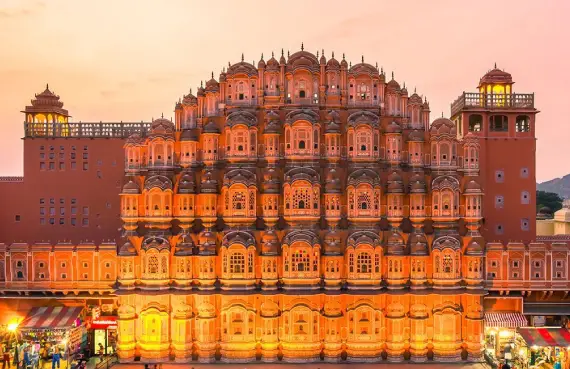 Jaipur Travel Guide
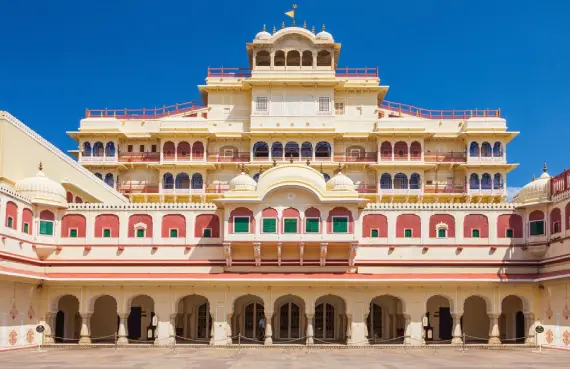 Udaipur Travel Guide
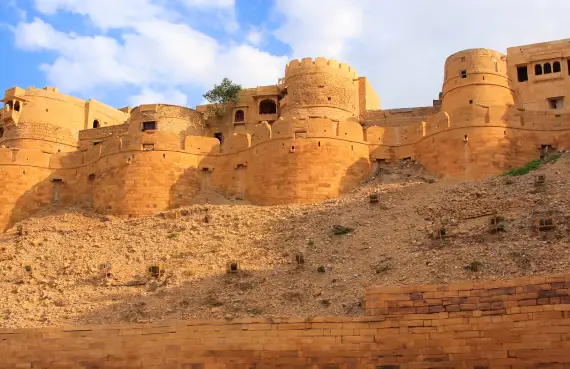 Jaisalmer Travel Guide
Jodhpur Travel Guide
Mount Abu Travel Guide
Ranthambore Safari Guide
Pushkar Travel Guide
Bikaner Travel Guide
Best Time to Visit India
Best Tourist Places in India
Best Travel Destinations in India
India Visa & Passport Guide
Jaisalmer Travel Guide
Jodhpur Travel Guide
Mount Abu Travel Guide
Ranthambore Safari Guide
Pushkar Travel Guide
Bikaner Travel Guide
Best Time to Visit India
Best Tourist Places in India
Best Travel Destinations in India
India Visa & Passport Guide
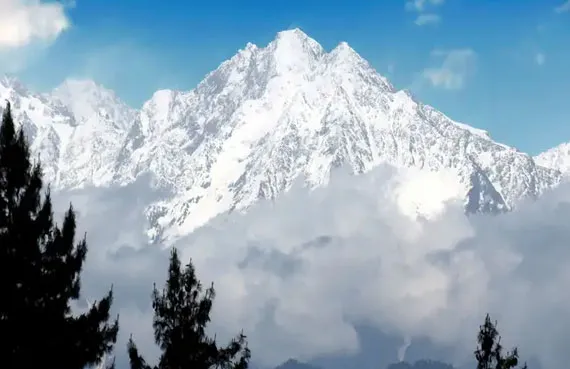 Car Rental Services in India
 India Travel Budget Guide
Backpacking in India Guide
Family Travel in India
Luxury India Tours Guide
Shopping Guide in India
Best Honeymoon Destinations India
Train Travel in India
Airport Transfers in India
India Travel Budget Guide
Backpacking in India Guide
Family Travel in India
Luxury India Tours Guide
Shopping Guide in India
Best Honeymoon Destinations India
Train Travel in India
Airport Transfers in India